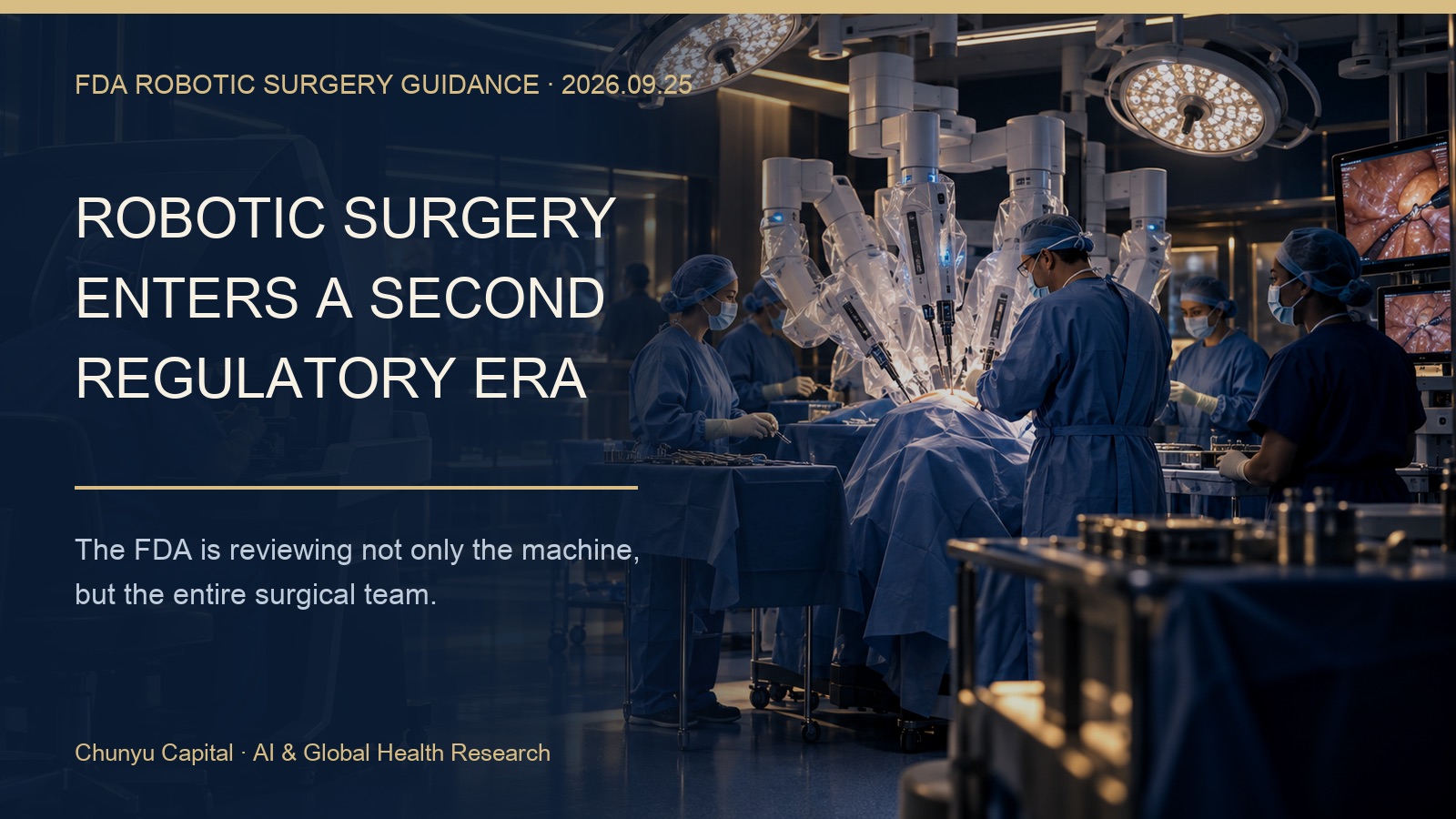
September 27, 2026 | AI4Science, global health and cross-border capital
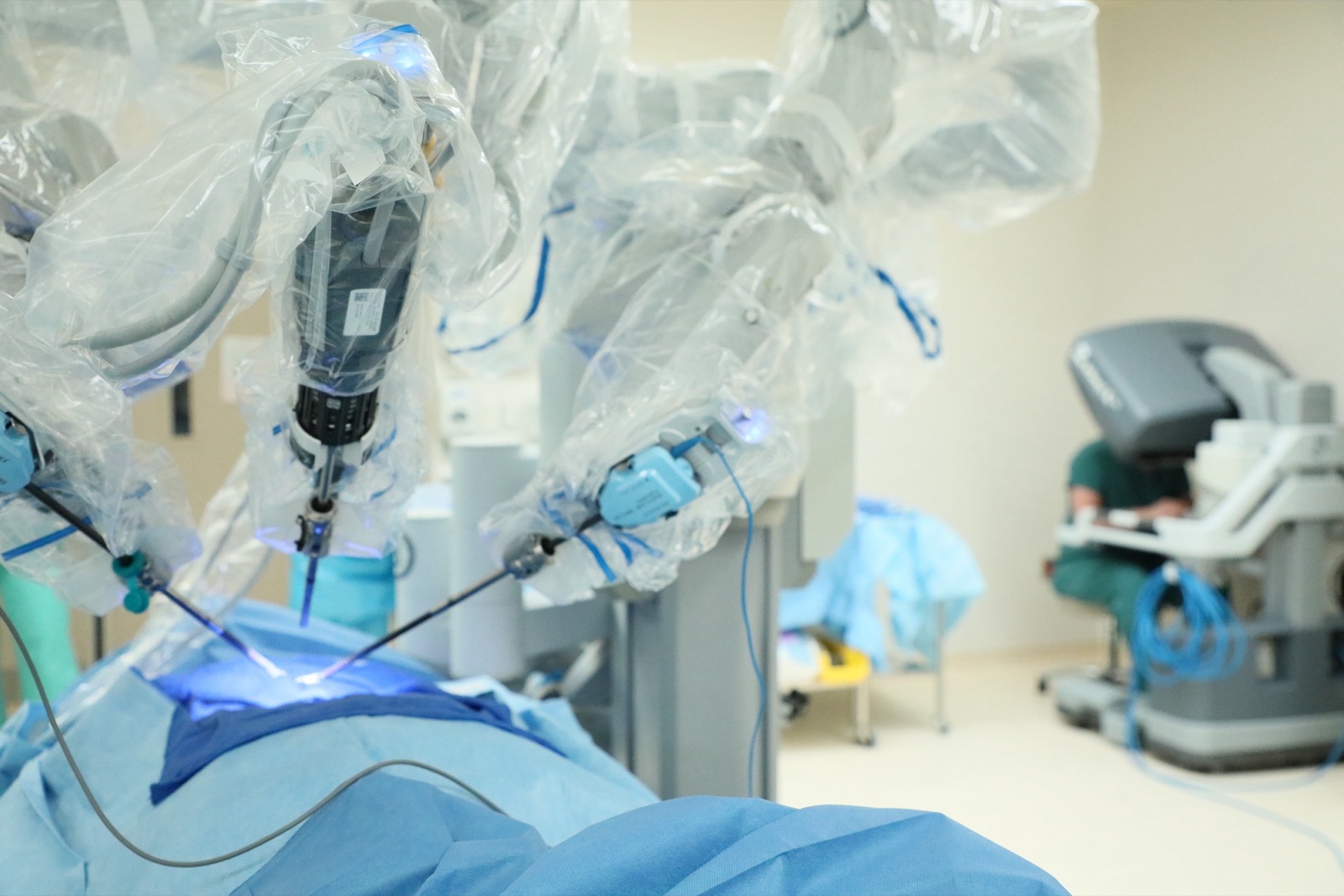
On September 25, 2026, the U.S. Food and Drug Administration issued draft guidance on premarket submissions for robotically assisted surgical devices. The document is framed as guidance for 510(k), De Novo and PMA submissions. Its deeper significance is a widening of the object being evaluated: safety evidence extends beyond mechanical accuracy and software reliability to training effectiveness, coordination across the operating-room team, and the ability to respond to power loss, instrument problems or emergency conversion.
My view is that robotic surgery is moving from a competition in device performance to a competition in reproducible clinical organization. Training, human factors, workflow and the transferability of foreign clinical evidence are becoming part of the product—and therefore part of commercialization, financing and valuation.
This is draft, nonbinding guidance, with comments due November 24, 2026. The analysis below describes the regulatory direction signaled by the draft; it does not claim that final requirements have already changed.
The draft addresses software-controlled devices teleoperated by qualified practitioners in open, minimally invasive and endoluminal procedures. It discusses reliability, software, cybersecurity, wireless functions, training, human factors, sterility, reprocessing and clinical data.
It does not directly cover remotely operated systems or highly autonomous robots that perform significant operative steps independently. FDA recommends early Q-Submission engagement for such products. This is not an authorization signal for autonomous surgery. It is a reassessment of how far safety evidence should reach within the current practitioner-led model.
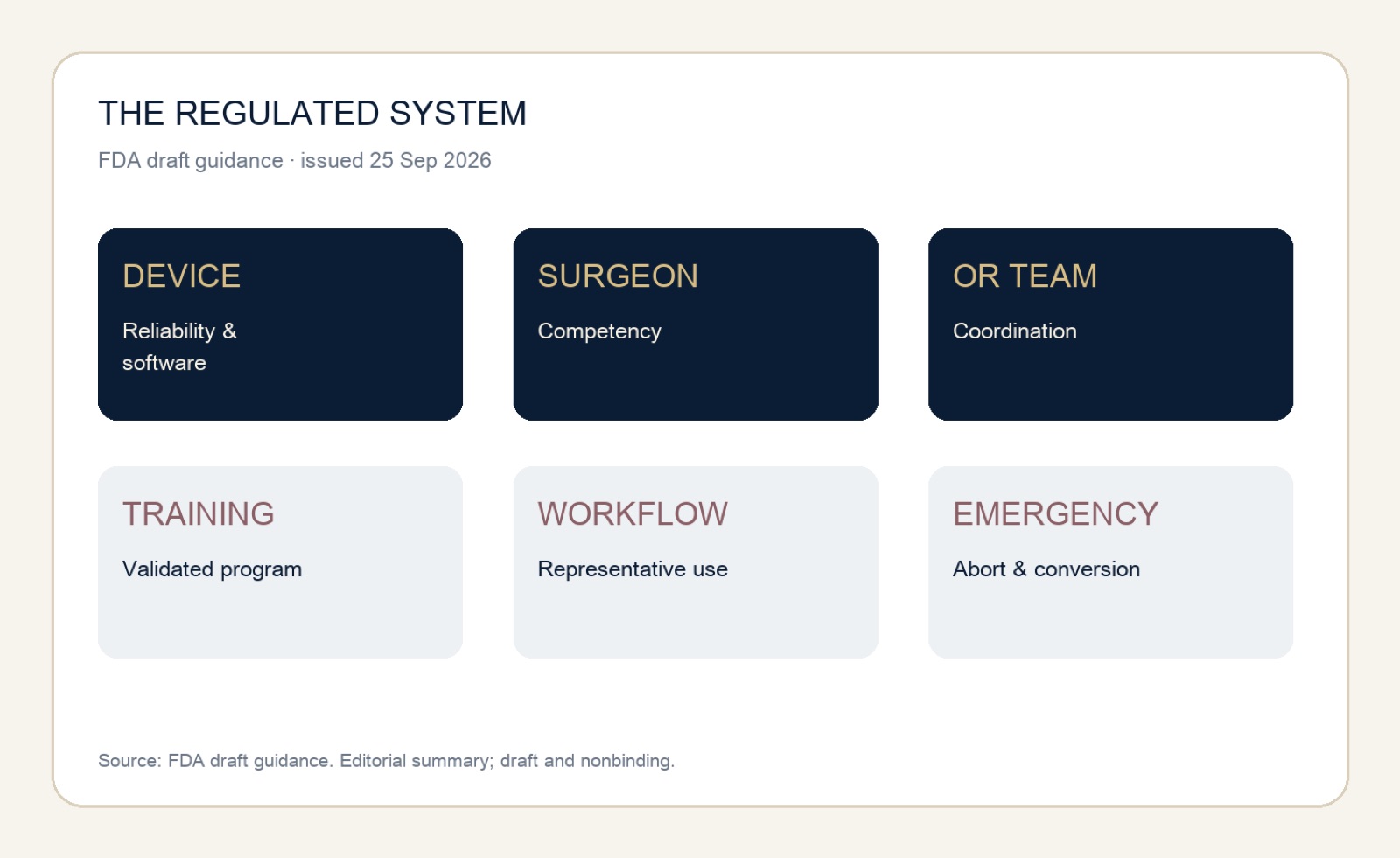
Companies naturally emphasize degrees of freedom, tremor filtering, visualization, accuracy and failure rates. The draft retains those concerns but states that safety and effectiveness are highly dependent on user competency.
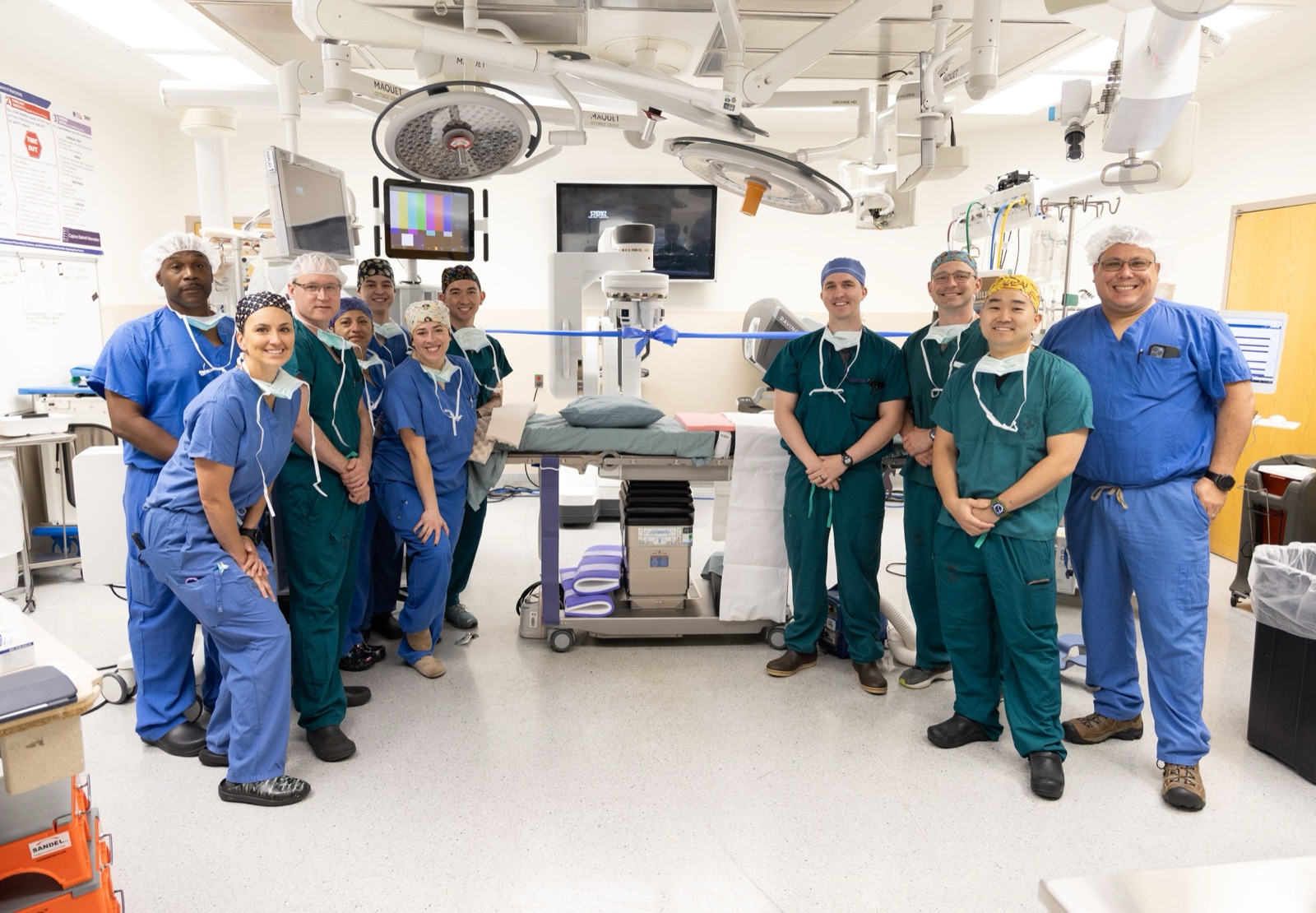
FDA recommends a validated training program before clinical use. The audience extends beyond the surgeon to bedside assistants, scrub nurses and other operating-room staff. Programs should account for professional background, prior experience with other robotic systems and team roles, while defining success criteria and the number of procedures needed to demonstrate competency.
The implication is practical: installation is not deployment. A system becomes clinically usable only when the team can perform routine procedures, manage abnormal events and execute emergency conversion consistently.
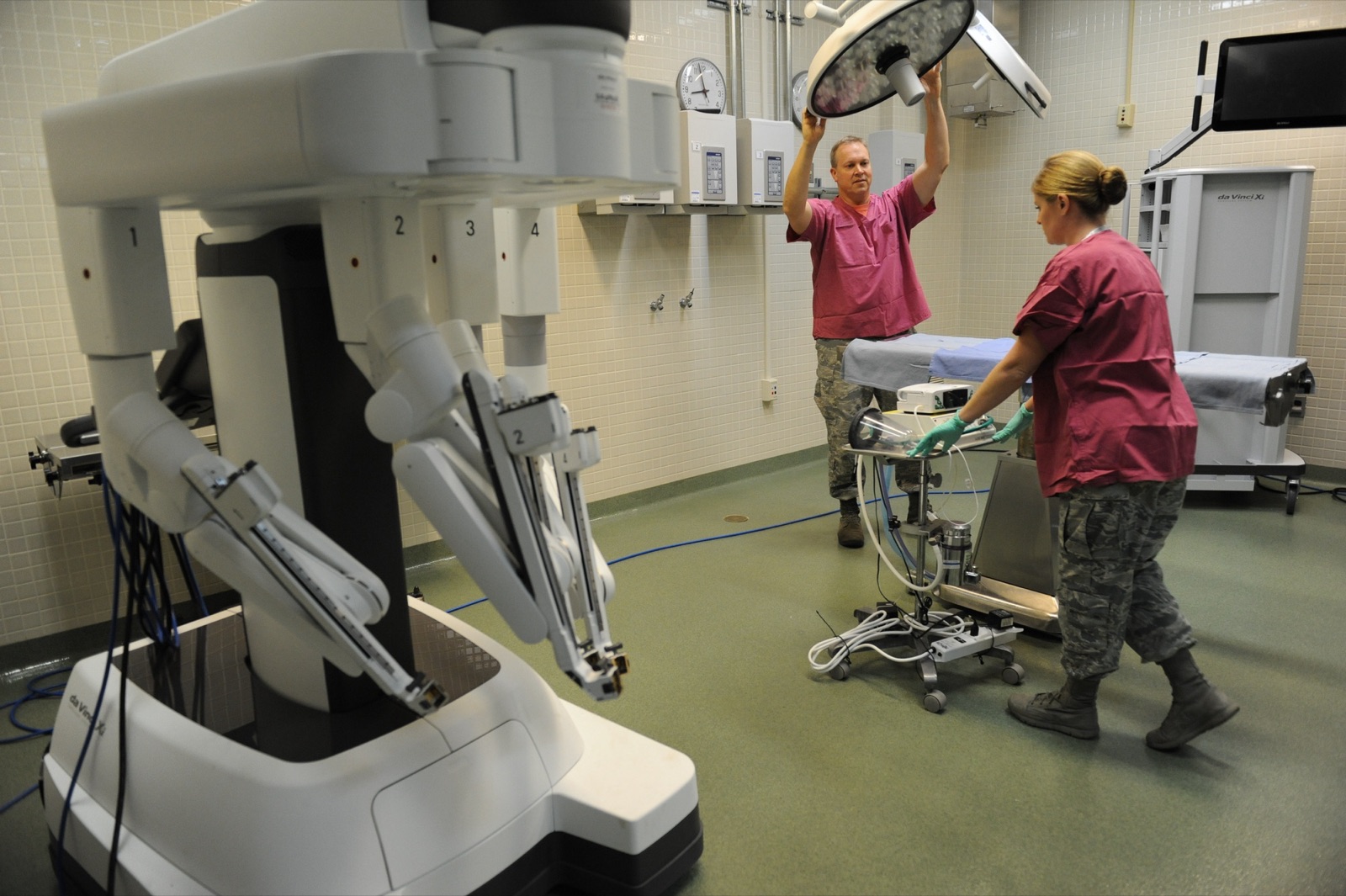
The draft calls for iterative human-factors work early in development and validation in environments that approximate real use. Representative users should work in teams as they normally would in the operating room. Evaluations should consider negative transfer from other robots, communication between the console surgeon and bedside team, workflow interference, emergency aborts, instrument removal, power loss and conversion to open or laparoscopic surgery.
Training content, competency thresholds and learning curves are therefore more than post-sale operations. They can become submission evidence and labeling content. A credible development budget must include curriculum design, simulation, certification, team drills and maintenance of competency, not merely engineering and clinical trials.
FDA allows prospective studies, real-world evidence and literature, including data generated outside the United States. But representativeness reaches beyond patient demographics. Foreign evidence should reflect typical U.S. operating-room environments and investigators with comparable training, experience and practice patterns.
For Asian robotic-surgery companies entering the United States, strong results from elite domestic hospitals may not answer whether a U.S. community hospital can deploy the system safely. At least four bridges matter: patient and indication; surgeon training and volume; staffing and division of responsibility; and emergency conversion, maintenance and postoperative pathways.
Cross-border registration is therefore not a translation exercise. It is evidence that a clinical way of working can travel.
The draft recommends endpoints including length of stay, intraoperative adverse events, transfusion or blood loss, conversion, 30-day complications, readmission, reoperation, mortality and operative time. It also describes an “umbrella” and “covered” procedure framework: robust in-vivo evidence from a more complex, higher-risk procedure may support lower-risk procedures within the same specialty.
The trade-off is real. Team, training and human-factors evidence raises development and launch costs. Yet clearer expectations and careful choice of a representative procedure may reduce repeated studies and regulatory guesswork.
The strategic question is not how to run the smallest study. It is which procedure best demonstrates that the platform, team and workflow can transfer safely.
Mature manufacturers already conduct team training, human-factors validation and emergency-conversion drills. The guidance is not final and does not automatically require a large new clinical trial for every product. Calling it a regulatory revolution would overstate the evidence.
Higher validation costs could also favor incumbents with simulation centers, clinical educators and installed networks. Startups face a larger fixed-cost burden, while hospitals may have to absorb repeated credentialing and staffing pressure.
Those objections are valid. The draft still matters because it places operational details inside a coherent premarket evidence framework. Even if the final text changes, “the machine passed its tests” is increasingly unlikely to be accepted as sufficient proof that the clinical system is safe.
Investors and strategic partners should ask more than how many systems have been installed:
Training is often treated as a post-sale cost center. In high-risk robotics, it can become a regulatory asset, a commercial asset and a data asset. Companies that standardize device, team and workflow together are more likely to turn individual successful cases into scalable clinical capability.
Installed units show where hardware has arrived. Validated teams, safely completed independent cases and learning curves are closer to the quality of adoption that capital markets should price.
This article is for industry research and policy discussion only. It is not medical, legal, regulatory or investment advice. The guidance remains in draft form.
CHUNYU CAPITAL AI
A cross-border healthcare investor with nearly 20 years of healthcare investment and industry experience, focused on medical devices, innovative drugs, AI4Science and cross-border capital markets. She works to connect the U.S. and Asian markets, helping healthcare and technology companies understand industry trends, financing pathways and global opportunities. Stanford GSB alumna.
A research and industry-connection platform focused on global healthcare, AI4Science and cross-border capital. Grounded in public facts, primary sources and a long-term industry perspective, it studies technology commercialization, corporate financing and capital-market pathways, offering founders, executives and investors independent, clear and actionable decision support.